
There are a lot of conflicting opinions out there about the best way to train for strength and muscle gains. But if you want to cut through the noise and get results, then you need to understand the role that sets and reps play in weight training.
In weightlifting, sets and reps are the two main variables that determine the outcome of your workout. The number of sets and reps you do will determine the intensity and volume of your workout.
But how do you know how many sets and reps you should be doing? And what’s the difference between intensity and volume, anyway? Keep reading for the definitive guide to sets and reps for weight training!
What are sets and reps?
In weightlifting, a set is a group of repetitions (reps) of a given exercise.
For example, if you do 10 squats, that’s 1 set of 10 reps. The number of reps you do in a set depends on your goals. If you’re trying to build muscle, you’ll want to do fewer reps per set (around 8-12) with a heavier weight. If you’re trying to build endurance, you’ll want to do more reps per set (15-20) with a lighter weight.
How many sets and reps should you do?
The number of sets and reps you do will depend on your goals. If you’re trying to build muscle, you’ll need to do more sets and reps than if you’re just trying to maintain your muscle mass.
For most people, a good starting point is 3 sets of 8-12 reps. If you can do more than 12 reps, then you should increase the weight you’re using. If you can’t do 8 reps, then you should decrease the weight.
If you’re trying to build muscle, you should aim to do 4-6 sets of 8-12 reps. If you’re just trying to maintain your muscle mass, then 2-3 sets of 8-12 reps will be enough.
Of course, you can always do more sets and reps if you want, but don’t forget to focus on quality over.
What are the benefits of sets and reps?
When it comes to benefits, sets and reps definitely have their advantages. Sets and reps help to increase muscular endurance, which is the ability of a muscle to perform repeated contractions over a period of time. This is because sets and reps increase the number of muscle fibers that are recruited during a contraction. In addition, sets and reps also help to improve the level of coordination between different muscle groups. This is because performing sets and reps forces the muscles to work together in order to complete the desired number of repetitions. Finally, sets and reps can also help to increase the size of the muscle, also known as muscle hypertrophy. This occurs because sets and reps increase the number of myofibrils, which are the contractile proteins within the muscle cell.
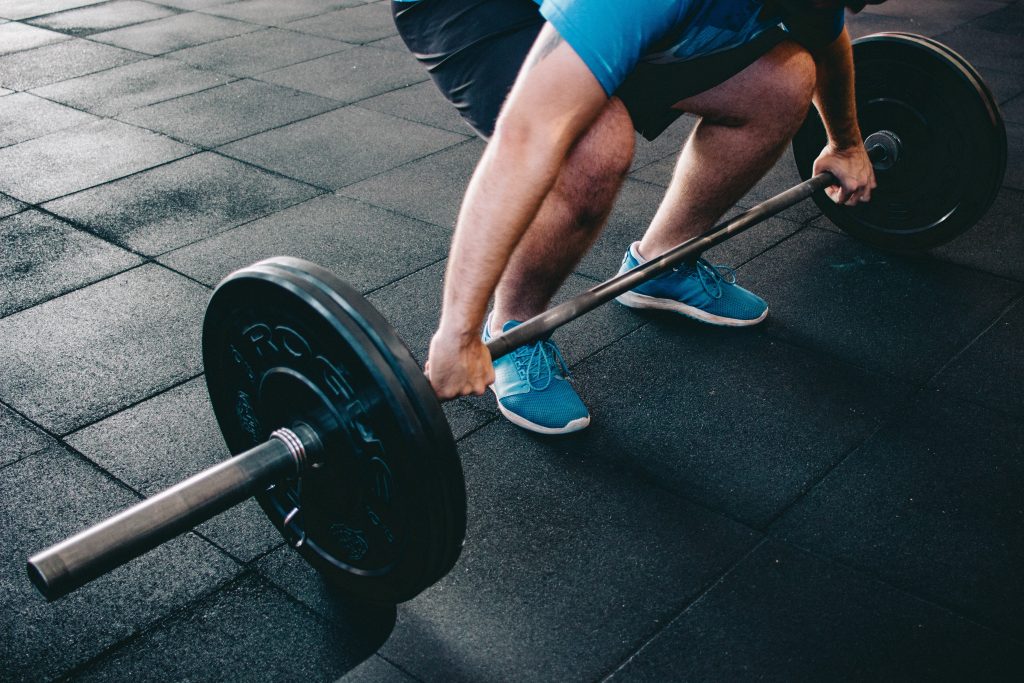
How to properly do sets and reps
When it comes to weightlifting, doing sets and reps properly is crucial for seeing results. But with all the different information out there, it can be hard to know how to do them correctly.
Here’s a quick guide on how to properly do sets and reps:
– Choose the right weight: You should be able to lift the weight 10-12 times before your muscles start to fatigue.
– Do 3-5 sets: This will help you see results without overworking your muscles.
– Take breaks: Take a break of 1-2 minutes between sets to give your muscles time to recover.
– Listen to your body: If you start to feel pain, stop immediately and rest.
following these guidelines will help you stay safe and see results from your weightlifting workouts.
Of course, these are just general guidelines. You will also need to consider things like your age, your experience level, and your fitness level. Talk to a certified personal trainer or your doctor before beginning any new workout routine.