
The importance of stretching and flexibility in fitness cannot be overstated. They are both vital components of any physical activity, whether it be weightlifting, running, or playing a sport.
Stretching helps to improve the range of motion, which in turn can make you stronger and more powerful. It also reduces the risk of injury by preparing your muscles for the demands of exercise. Flexibility, on the other hand, is important for balance and posture. It helps your muscles to recover from strenuous activity and can prevent pain in the lower back and joints. In addition to the physical benefits, stretching and flexibility also have psychological benefits. They can help to reduce stress and anxiety and improve your mood and focus. So, if you’re looking to improve your fitness, make sure to add stretching and flexibility to your routine. You’ll see the benefits in no time!
Why Stretching is Important
Stretching is important for a number of reasons. First, it can help to increase your range of motion, which makes it easier to perform any type of physical activity. It can also reduce muscle strain and tension, which is especially helpful if you’re doing heavy lifting or weight training.
Stretching can also help to improve posture, reduce fatigue, and reduce your risk of injury. Stretching regularly will help to keep your muscles elastic and strong so that you can continue to perform at your best. In addition, stretching can help to improve your circulation, allowing more oxygen to reach your muscles and tissues. This can help to reduce muscle soreness after exercise and facilitate a quicker recovery. Finally, stretching can improve your flexibility and balance. This is especially important for runners, athletes, and those looking to take part in more strenuous activities.
The Benefits of Flexibility
Flexibility is just as important as stretching for any physical activity. Regular stretching and flexibility exercises can help to improve your range of motion and reduce the risk of injury. Flexibility also helps to improve your posture, reduce muscle soreness, and reduce back and joint pain. Regular flexibility exercises can help to reduce tension in the muscles, which can help to reduce your risk of injury during physical activity. Additionally, flexibility can help to improve your performance. It can improve your coordination, balance, and power output, and can even help to improve your reaction time. Finally, flexibility can help to reduce stress and anxiety, which can improve your overall well-being.
How to Get Started with Stretching
If you want to start incorporating stretching and flexibility into your fitness routine, it’s important to start slow. Taking your time is important to avoid any potential injuries. It’s also important to warm up your muscles before stretching. This can be done by taking a light jog, jumping jacks, or even a brief walk. Doing this will warm up your muscles and get them primed for stretching. When stretching, it’s important to focus on each muscle group for at least 30 seconds. Doing this will help to lengthen your muscles and improve your range of motion. Also, make sure to focus on your breathing while stretching. This will allow you to relax each muscle group and ensure it’s getting the most benefit from the exercise. Finally, don’t forget to stretch after exercise as well. This will help to cool down your muscles and reduce your risk of injury.
Sample Stretching Routine
If you’d like to get started with stretching but aren’t sure where to start, here’s a basic stretching routine that you can do:
- Neck rolls – Start by gently rolling your neck in a circular motion, both clockwise and counterclockwise.
- Shoulder rolls – Next, slowly roll your shoulders forward and back.
- Arm circles – Extend your arms outward and gently make circles in both directions.
- Standing toe touch – Standing with your feet hip-width apart, slowly reach down and try to touch your toes.
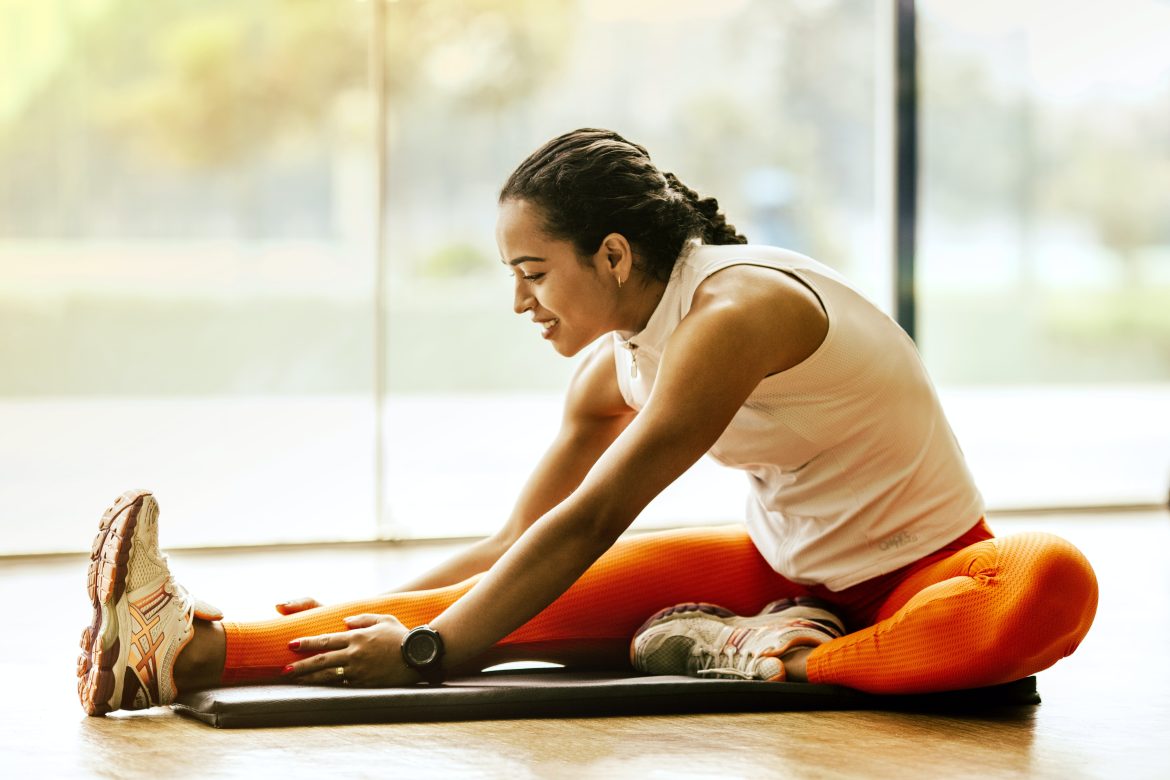
- Seated forward fold – Sitting on the floor with your legs out in front of you, fold forward at the hips, and reach your hands towards the toes.
- Downward facing dog – From a standing position, slowly lower your torso and extend your arms.
If you need more you can do a short yoga.
Stretching and flexibility are important components of any fitness routine. Not only can they help to improve your performance and reduce your risk of injury, but they can also help to improve your overall well-being. To get started with stretching, it’s important to start slowly and warm up your muscles first. Make sure to focus on each body part for at least 30 seconds, and focus on your breathing. Finally, don’t forget to stretch after exercise as well. By incorporating stretching and flexibility into your fitness routine, you’ll be sure to reap the many benefits.